




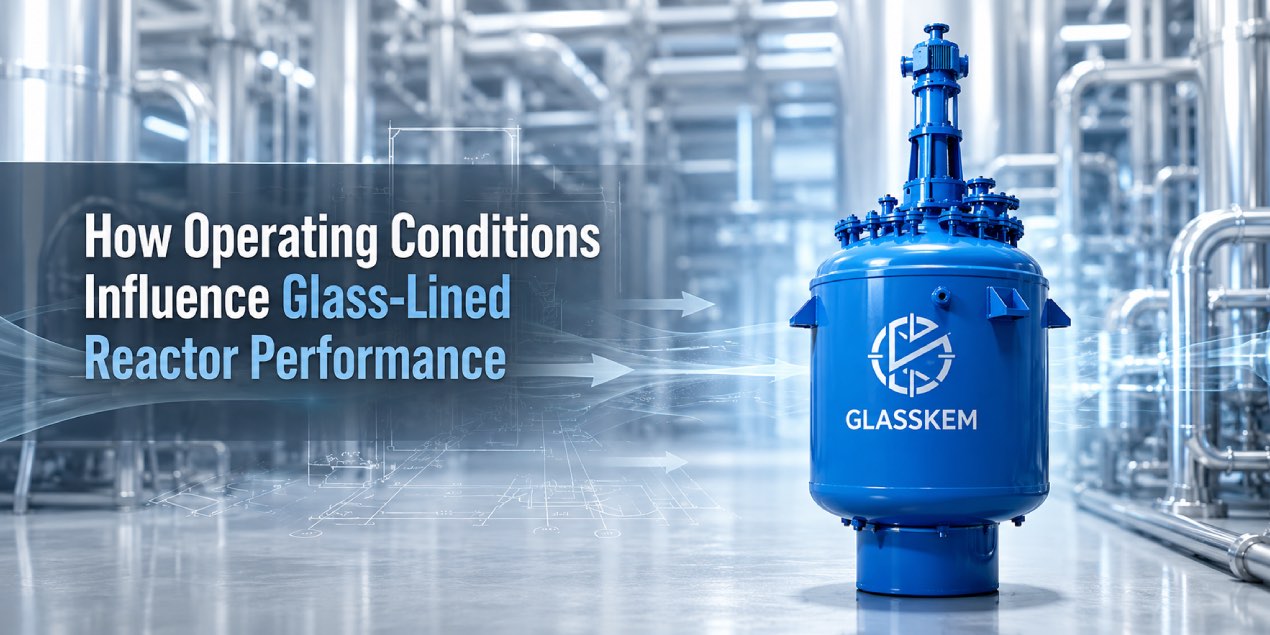
Once a reactor moves into production, operating conditions start affecting performance almost immediately. Processing highly corrosive and sensitive materials places non-stop physical demand on the vessel.
PFG Glasskem engineers these units to combine the mechanical strength of steel with the chemical resistance of glass. Built to handle a wide range of temperatures and pressures, they are widely used across chemical, pharmaceutical, and food processing operations.
Understanding How Daily Operating Conditions Affect Reactor Stability
Equipment operates under constant thermal and mechanical stress. Facilities handling aggressive batches usually pay close attention to how their reactors respond to changing environments over a long campaign. The way a vessel handles shifting thermal loads and mixing requirements can influence overall batch consistency.
Why Temperature Stability Matters During Production ?
Batch temperatures almost never stay static. Managing heat transfer effectively is what keeps a reaction stable. Mild steel reactors typically handle processes from -25°C to +200°C.
If a plant is doing specialized cryogenic work, stainless steel setups can operate at lower temperature ranges down to -80°C. Buyers reviewing a reactor supplier California often prioritize these cryogenic capabilities for specialized runs.
Sudden temperature fluctuations create additional thermal stress. That's why some plants intentionally slow their temperature ramp-ups, especially during large thermal swings. Following controlled cooldown protocols helps protect the glass lining during operation.
To regulate these shifts, reactors rely on either conventional jackets or half-pipe coil systems.
How Pressure Conditions Influence Reactor Operation ?
Pressure conditions create a different type of stress inside the tank. Standard glass-lined setups accommodate environments from full vacuum (-1 bar) up to +6 bar.
When running continuous gas-phase reactions, maintaining safety comes down to the mechanical seals. A robust sealing mechanism helps ensure leak-proof operation. Plant managers consulting a glass lined reactor manufacturer Texas often evaluate sealing performance carefully during these pressure-sensitive runs.
The Role of Agitation in Mixing Performance
The physical movement inside the tank influences heat distribution. If agitation speeds don't match the process media, additional load can develop around the shaft assembly over time. In some plants, mixing issues only become obvious after batch consistency starts drifting.
Lighter liquids usually flow fine with standard impeller or propeller agitators. Highly viscous or paste-like materials often require anchor agitators. The anchor blades sweep close to the vessel walls.
That sweeping motion becomes important once thicker materials start building up during processing. A gearbox-driven shaft supports more controlled mixing during operation.
Selecting the right Glass-Lined Reactor agitation setup ensures the system handles these daily operating loads without unnecessary strain.
Handling Viscous and Corrosive Process Media
The chemical makeup of the batch determines how long the internal surfaces hold up. Corrosive media can gradually damage unprotected steel surfaces over time.
That is why high-quality glass enamel acts as the primary barrier, providing exceptional corrosion resistance. Facilities evaluating an industrial reactor supplier Ohio often pay close attention to how these materials interact with reactor surfaces over time.
On the floor, operators have to avoid introducing abrasive powders or solids that might scratch or erode the glass. Keeping that impermeable surface intact makes maintaining product purity easier across repeated cycles.
These conditions show up constantly in pharmaceutical and petrochemical processing, where corrosion resistance becomes important in these environments.
Why Cleaning and Batch Consistency Matter ?
Production doesn't just stop when a batch finishes. In many plants, turnaround time influences overall output.
The easy-to-clean glass-lined surface naturally reduces residue buildup. Process teams often flush the system with clean water after use to clear out leftover aggressive chemicals. Utilizing flush bottom valve assemblies allows for smoother discharge.
That speeds up prep time for the next run. In cGMP-oriented environments, cleaning access becomes an important operational consideration.
Final Thoughts on Stable Reactor Operation
Matching equipment to daily operating conditions keeps production running. Monitoring thermal shifts, agitation speeds, and pressure limits can contribute to longer vessel life over time.
A vessel usually performs best when the configuration reflects the actual operating conditions of the process.
If you're reviewing specifications or planning a new process setup, Contact Us to discuss the right configuration for your application.