




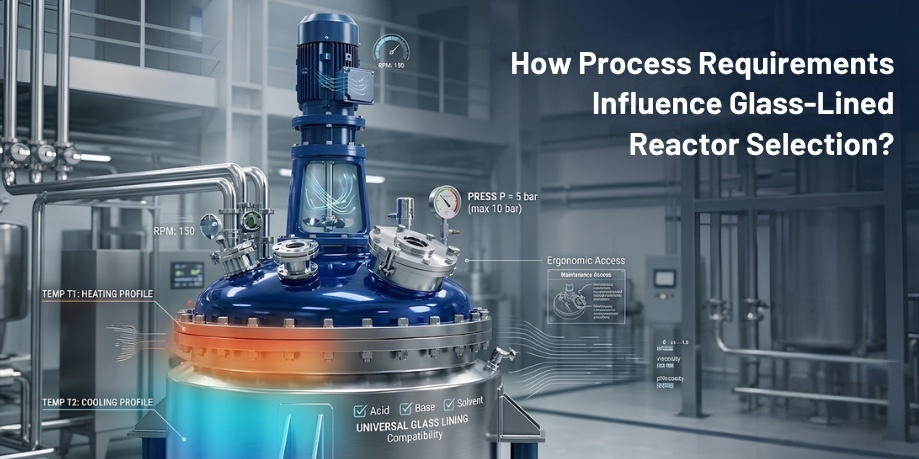
Getting new equipment on the floor requires matching the physical vessel with the actual chemical work it will do every day.
PFG Glasskem designs equipment that combines the mechanical strength of steel with the chemical resistance of glass. Facilities handling aggressive process environments usually evaluate reactor systems based on long-term operating conditions, maintenance access, and process compatibility. When the design matches the actual process from day one, you avoid a lot of maintenance headaches later on.
Matching Reactor Design to Process Conditions
You cannot force a standard piece of equipment to run a highly specialized batch. The materials, temperatures, and fluid dynamics of your process dictate the design choices you make for the plant floor.
Why Process Media Dictates Material Construction ?
The chemicals going into the tank heavily influence the core build. In corrosive environments, the glass enamel lining protects the steel surface from direct exposure. This helps reduce direct contact between the process media and the steel surface, helping maintain product purity.
For standard chemical work, a mild steel (MS) backing usually provides the necessary structural support. However, processes involving food, biotechnology, or pharmaceuticals frequently require a stainless steel (SS) exterior. Teams typically specify stainless steel when strict cGMP hygiene and clean-room washdowns are a priority for the facility.
Accounting for Temperature and Pressure Limits
Batch cycles rarely sit at room temperature. The equipment has to handle changing temperatures day in and day out without stressing the metal. Standard pressure ratings for these systems usually range from full vacuum (-1 bar) up to +6 bar.
Operating temperature limits depend on the type of steel used to build the shell. Mild steel units are designed to handle continuous processes from -25°C to +200°C. If a plant is doing cryogenic work, specialized stainless steel models push that range down to -80°C.
Depending on the process, reactors may use conventional jackets or half-pipe coil systems to support temperature control during operation. These jacketed setups help keep the internal reaction stable when temperatures start shifting rapidly during long production cycles.
Selecting Agitation Systems for Different Viscosities
In many facilities, mixing issues are only noticed after production inconsistencies start showing up. Matching the agitator to the product viscosity helps maintain more consistent mixing during operation.
Highly viscous or paste-like materials require stronger mixing. Anchor agitators sweep close to the vessel walls, which helps prevent material buildup and supports heat transfer over time.
For lighter liquids, standard impeller or propeller agitators usually achieve the right fluid movement. A gearbox-driven shaft keeps everything running and handles daily operating loads. In some plants, flameproof flange-mounted motors with ATEX-certified options are also utilized to meet safety standards.
Understanding AE and CE Structural Differences
The physical design of the tank changes how the maintenance team interacts with it. Manufactured according to DIN 28136 standards, facilities generally choose between AE and CE configurations based on their workflow.
The AE design is often preferred when easier internal access is important. It uses a two-piece build with a removable cover, making it simpler to pull the agitator for routine inspections.
The CE configuration reduces the number of large joints in the system by using a monoblock design. In some facilities, that added containment becomes more important than easier internal access.
Selecting the right Glass-Lined Reactor configuration usually comes down to whether you prioritize easier internal access or stricter containment requirements.
Components That Support Daily Operation
Cleaning becomes much easier when the reactor is designed for smoother discharge between batches. That is where flush bottom valve assemblies come into play for the plant team.
Temperature monitoring also becomes easier when thermowells, such as a true thermowell or baffle-cum-thermowell, are integrated directly into the setup. This allows the system to read internal temperatures without breaking the protective glass barrier.
Baffles are frequently paired with the agitator to disrupt fluid flow patterns and improve mixing. At the same time, mechanical seals keep the shaft assembly properly sealed during day-to-day operation.
Practical Steps for Long-Term Maintenance
The way a vessel is built impacts how easy it is to keep it running smoothly. While the vessel resists mechanical wear naturally, basic proactive upkeep helps avoid unexpected failures. To plan for long-term production, facilities often consult a glass lined reactor manufacturer in Texas early in the process to ensure the equipment meets their exact environmental demands.
Keeping the equipment in good shape means handling it carefully to avoid heavy impacts. Avoiding sudden temperature shocks and staying within the recommended operating limits is another practical step.
Flushing the system with clean water after use and keeping abrasive solids out of the tank helps the glass lining last for years. Simple electrical care, like making sure the unit has proper grounding, also keeps the floor safe.
Final Considerations Before Choosing a Reactor Setup
If you're reviewing reactor requirements for a new process or expansion project, the configuration should always match the actual operating conditions of the plant. A vessel engineered for your specific process supports more stable day-to-day operation.
Working with an experienced glass lined reactor supplier USA helps align the reactor setup with the actual process requirements.
Contact Us to discuss the right setup for your application.
FAQ’S
The operating temperature and pressure determine the reactor design. Standard glass-lined reactors typically operate from full vacuum up to +6 bar, while temperature limits vary depending on the shell material and process requirements.
AE type reactors use a two-piece construction with a removable cover for easier maintenance. CE type reactors feature a monoblock design that reduces large joints and provides enhanced containment.
Highly viscous materials generally require anchor agitators, which help prevent material buildup and support heat transfer. Lower-viscosity liquids commonly use impeller or propeller agitators.
Process media, operating temperature, pressure, agitation requirements, maintenance accessibility, and the choice between AE and CE configurations should all be evaluated before selecting a reactor.