




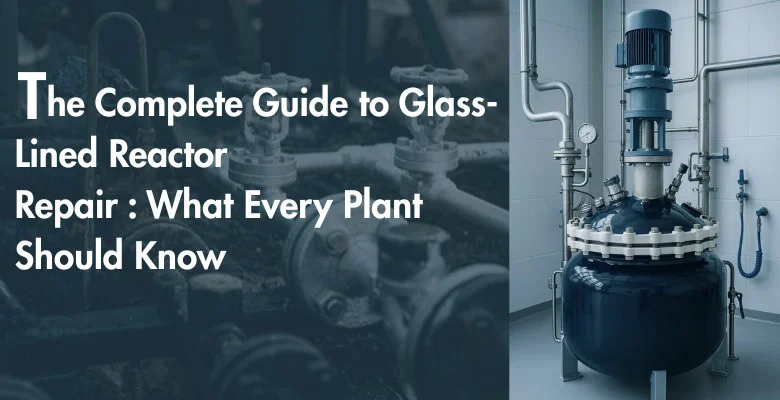
Glass-lined reactors are essential in industries like chemicals, pharmaceuticals, and food processing. Their glass coating helps protect against corrosion and contamination, making them perfect for handling strong chemicals and clean processes. But like any equipment, they can get damaged over time. Knowing how to repair them properly is important to keep your plant safe, efficient, and within regulations.
Why Glass-Lined Reactors Require Special Attention
While glass-lined reactors are built for durability, they face challenges such as:
- Thermal stress from rapid heating or cooling cycles.
- Mechanical impact during cleaning or loading/unloading.
- Chemical attack from incompatible materials.
Even small cracks or chips in the glass lining can lead to serious issues like product contamination, corrosion of the steel substrate, and even equipment failure if left unaddressed.
Common Signs of Damage
Early detection is key to effective repair. Look out for:
- Blisters or bulging on the lining.
- Visible cracks or chips in the enamel surface.
- Delamination or flaking of the glass coating.
- Leaks or pressure drops during operation.
- Color changes or signs of corrosion around fittings and nozzles.
Regular inspection and maintenance help spot these signs before they escalate into major problems.
Step-by-Step Guide to Glass-Lined Reactor Repair
1. Initial Inspection and Damage Assessment
Qualified technicians begin with a visual and spark test to locate defects. A full inspection may involve:
- UV light or holiday testing
- Ultrasonic thickness measurements
- Surface mapping to document the extent of the damage
2. Preparation of the Repair Area
Before any repair:
- The reactor is cleaned and degassed.
- Damaged areas are marked.
- Surface preparation includes grinding, sandblasting, or chemical etching to ensure proper adhesion of repair materials.
3. Repair Methods
Depending on the severity and location of the defect, common repair methods include:
- Cold repair compounds (e.g., ceramic-filled epoxies) for minor surface damage.
- Hot curing enamels for high-performance, durable repairs—often performed in a controlled workshop environment.
- Spot re-glassing in extreme cases, requiring specialized equipment and conditions.
4. Post-Repair Testing and Validation
After repair, the reactor undergoes:
- Spark testing to ensure continuity of the enamel.
- Pressure or vacuum testing for leaks.
- Quality documentation and certification.
Choosing the Right Repair Partner
Not all repair jobs are equal. Always work with certified professionals experienced in glass-lined equipment. A reputable service provider will offer:
- Proper certification and safety protocols
- On-site and o -site repair capabilities
- Warranties on repair work
- Recommendations for preventive maintenance
Preventive Maintenance Tips
To extend the life of your glass-lined reactor:
- Conduct regular inspections (at least annually)
- Avoid thermal shock by controlling heating/cooling rates
- Use only approved cleaning tools and chemicals
- Train staff on proper handling and maintenance procedures
Conclusion
Glass-lined reactor repair is not just about fixing a problem, it's about protecting your plant's productivity, product integrity, and equipment investment. By understanding the causes of damage, knowing when and how to repair, and implementing a preventive maintenance program, you can ensure your reactor operates safely and efficiently for years to come.